


Consumer expectations are shifting faster than most kitchens can keep up. Understanding how catering trends shape hospitality menus is no longer a forward-thinking exercise. It is an operational necessity. From plant-forward dishes to modular formats and multi-sensory service choreography, the pressures on culinary professionals and hospitality managers are real, complex, and growing. This article breaks down the trends that matter most in 2026, explains their operational and financial implications, and gives you a practical framework to translate them into menus that perform both in the kitchen and in the dining room.
Table of Contents
- Key takeaways
- How catering trends shape hospitality menus today
- Operational impacts on menu construction and service
- Sensory and experiential drivers of menu innovation
- Market and financial trends driving menu planning
- Practical strategies for applying trends to your menus
- My take: trends should serve the menu, not replace it
- Bring your menu vision to life with Desertdine
- FAQ
Key takeaways
| Point | Details |
|---|---|
| Plant-forward menus are mainstream | Over half of consumers are increasing plant intake, making vegan-first options a structural menu requirement. |
| Operational precision is non-negotiable | Personalized and modular menus require repeatable workflows to maintain quality at scale. |
| Sensory design builds loyalty | Multi-sensory presentation and cultural storytelling turn a meal into a guest memory. |
| Corporate catering is booming | The market is projected to grow from $15B to $32B by 2034, creating demand for smarter menus. |
| Simplicity outperforms complexity | A focused, ingredient-transparent menu consistently outperforms a sprawling one in both quality and profitability. |
How catering trends shape hospitality menus today
The most significant driver of menu change right now is not a single dish or dietary preference. It is a fundamental shift in what guests believe a meal should be. Menus are no longer passive lists of options. They are active expressions of a kitchen’s values, sourcing philosophy, and guest relationship.
Several overlapping trends are converging to reshape that expression in 2026:
- Plant-forward and vegan-first menus. 54% of consumers are actively increasing plant-based choices. This is not a niche dietary request anymore. It is a menu architecture decision. Operators who treat plant-based dishes as afterthoughts will lose ground to those who build them into the identity of the menu.
- Personalization and co-creation. Guests expect menus that feel tailored to them. The immersive co-creation model invites clients to partner in shaping menus that tell cultural and personal stories. This elevates satisfaction and creates a hospitality experience that cannot be replicated by a competitor.
- “Less but better” philosophy. The move toward focused menus with fewer items is not a cost-cutting measure. It is a quality signal. The “less, but better” approach prioritizes ingredient transparency and culinary precision over breadth, and guests respond to it.
- Sustainability and local sourcing. Sustainability is now central to menu planning, challenging chefs to innovate with seasonal, local, and ethical ingredients. It is not enough to source locally. Menus now need to communicate those sourcing decisions clearly.
- Modular and build-your-own formats. Flexible menus give guests control over their experience and increase perceived value. They also introduce real operational trade-offs, which the next section addresses directly.
Pro Tip: When redesigning your menu around a “less but better” philosophy, audit your current offerings by removing any dish that cannot be prepared to a consistent standard during peak service. What remains is your real menu.
Operational impacts on menu construction and service
Knowing which trends matter is only half the problem. The harder challenge is executing them at scale without sacrificing consistency or burning out your team. This is where the impact of catering trends becomes most tangible for hospitality managers.
Here is a structured approach to managing the operational complexity that comes with trend-aligned menus:
- Design for repeatability first. Menus built around operational sequencing deliver more consistent results in high-volume catering. Before adding a new dish, ask whether your team can execute it identically at the 80th cover of the night.
- Map your allergen matrix before finalizing any menu. Inclusive menus that accommodate dietary needs are now expected, not optional. Build allergen compliance into the design phase, not as a post-hoc addition. Document it, train your staff on it, and review it every time the menu changes.
- Evaluate technology with purpose. AI-driven inventory tools and QR menus can reduce waste and improve efficiency. However, technology that replaces human interaction rather than supporting it erodes the guest experience that hospitality depends on. Be selective about where you automate.
- Control your customization variables. Flexible menus boost profit potential but increase waste and workflow complexity. Limit build-your-own options to components that share prep steps, and train your team on portion control before launching.
- Align menu complexity with staffing reality. Small plates and tasting formats require faster plating, greater precision, and more attentive table management. If you are running a leaner team, a shorter, more refined menu will serve guests better than an ambitious one you cannot sustain.
Pro Tip: Before rolling out a modular menu format, run a full service simulation with your kitchen and front-of-house teams together. Gaps in communication between those teams are where guest experience breaks down.
Sensory and experiential drivers of menu innovation
The most memorable hospitality experiences are not just about what is on the plate. They are about how the entire sensory environment reinforces the story a menu is trying to tell. This is where the evolution of catering in the experience economy has the most profound impact on how menus are designed.
Consider the following elements that forward-thinking culinary professionals are now building into their menu and service design:
- Multi-sensory presentation. Scent, texture, sound, and plating all activate emotional memory. A dish that arrives with a cloud of fragrant smoke or is presented on a surface that reflects the local terrain communicates far more than its ingredients list.
- Cultural storytelling. Menus that explain the origin of a dish, the farmer who grew the primary ingredient, or the regional tradition behind a preparation technique give guests something to connect with. That connection translates directly into loyalty and social sharing.
- Interactive stations and eatertainment. Chef-led stations, tableside finishes, and live preparation formats turn passive dining into participatory experiences. Guests who engage with the preparation process remember the meal longer and talk about it more.
- Social-friendly formats. Sharing plates, grazing tables, and family-style service are designed for the way guests actually socialize. They also pair naturally with strategic beverage programs that guide guests through complementary flavors across the meal.
- Choreographed service sequences. The order in which dishes arrive, the pacing between courses, and the way a team presents and explains each dish are all part of the menu experience. Timing is as much a design element as the food itself.
The hyper-personalization of menus through co-created, culturally specific experiences enhances both guest loyalty and satisfaction. For culinary professionals, this means working more closely with clients during the planning phase. For hospitality managers, it means training your service team to understand and communicate the story behind every dish they deliver.
Market and financial trends driving menu planning
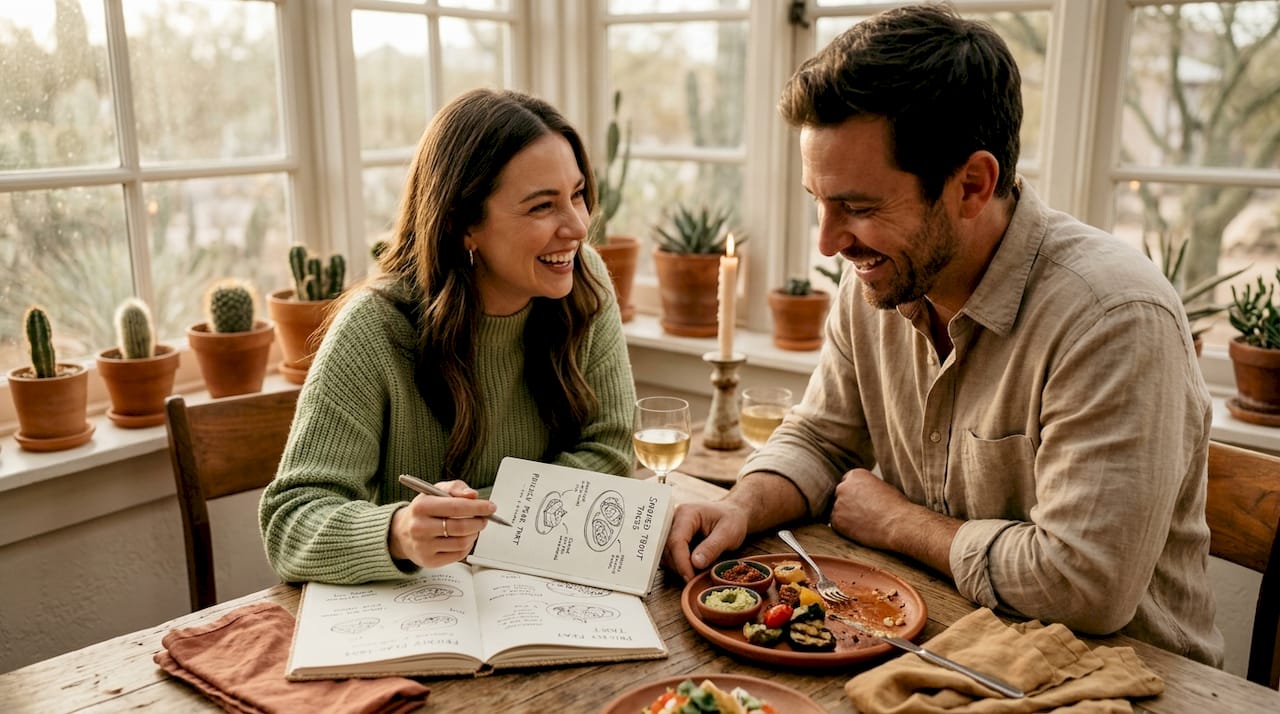
The financial case for investing in trend-aligned menus is strong and growing. These numbers matter for anyone making decisions about menu scope, catering partnerships, or event programming.

| Metric | Data | Source |
|---|---|---|
| Corporate catering market size (2025) | $15 billion | OpenPR / Market Report 2025 |
| Projected market size by 2034 | $32 billion | 7.9% CAGR growth projection |
| Workplaces increasing catering budgets | 1 in 5 planning >25% increase in 2026 | Restaurant Business Online |
| Workplaces maintaining or increasing spend | 91% | Restaurant Business Online |
These numbers reflect a market that is not contracting. Corporate clients are spending more on catering and expecting more in return. That creates both an opportunity and a responsibility for culinary professionals developing menus for corporate event catering.
The key financial tension in this environment is value perception. Guests prioritize value and experience over price alone. Operators who discount to compete sacrifice the very margin they need to invest in quality. A better strategy is to design menus where the perceived value is self-evident. Premium sourcing, precise preparation, and thoughtful presentation communicate quality more effectively than a price point.
For destination and luxury event catering specifically, premium menu offerings tied to place and story command higher price points without resistance. Guests are not paying for food alone. They are paying for a crafted experience they cannot create at home.
Practical strategies for applying trends to your menus
Translating trend awareness into actual menu decisions requires a clear process. Here is a framework that works across both restaurant and event catering contexts:
- Start with clarity, not options. Before adding any new dish or format, define the guest experience you are trying to create. A menu built around a clear identity is easier to execute and easier for guests to connect with. Review the full menu confirmation checklist to stress-test your structure before launch.
- Build modular systems, not one-off customizations. Personalization at scale requires component-based thinking. Design your menu around a core set of high-quality ingredients that can be combined in multiple ways, rather than creating individual dishes for every preference.
- Make sourcing part of the menu conversation. Authentic sustainability messaging means naming suppliers, describing the region a product comes from, and explaining why you chose it. Vague claims about “local ingredients” carry less weight than a specific statement about your farm partner.
- Use technology where it solves a real problem. Digital menus with live allergen filtering, QR-based ordering for large events, and AI inventory tools all have legitimate applications. Use them where they genuinely reduce errors or improve the guest’s experience, not simply because they are available.
- Train your team around the menu story, not just the menu items. Staff who understand the intent behind each dish can communicate it to guests. That communication is part of the food-driven guest experience that turns a meal into a memory.
- Incorporate sensory details deliberately. Plating, lighting, music tempo, and even the weight of the serving ware contribute to how guests perceive flavor. Design these elements alongside the menu, not after it.
My take: trends should serve the menu, not replace it
I have worked with enough culinary teams and hospitality managers to know that the greatest risk in any trend cycle is not falling behind. It is overreacting.
I have seen kitchens that rebuilt their entire menu around every new trend that appeared in a trade publication, and the result was always the same. Confused guests, exhausted staff, and an identity that no one could articulate. The operations that consistently impress me are the ones that absorb a trend carefully, test it against their strengths, and integrate only what genuinely improves the guest experience.
My honest take on technology is that it belongs in the back office, not on the table. I have seen AI tools that genuinely reduce inventory waste and compliance errors. I have also seen properties where the QR code replaced the last human touchpoint in a guest’s evening, and the room felt colder for it. Technology adoption should solve real problems without removing the human elements that make hospitality what it is.
The trend I believe in most, and will continue to advocate for, is the “less but better” philosophy. Not because it is fashionable. Because every time a kitchen commits to a shorter, sharper menu, the food gets better, the service gets faster, and the guests notice. The pressure to add more is always there. The discipline to do less is where the real craft lives.
Embrace trends thoughtfully. Test before you commit. And never lose sight of the fact that the best menu you can offer is one your team can execute with pride every single service.
— James
Bring your menu vision to life with Desertdine
If you are looking to put these principles into practice for your next event, Desertdine is built for exactly this kind of work. Based in Palm Springs, Desertdine specializes in personalized event catering that reflects current hospitality catering trends 2026 without sacrificing the operational precision that makes events actually succeed.
From locally sourced ingredients and co-created menus to chef-led experiential stations and luxury desert event settings, Desertdine brings the full range of current menu innovation to each engagement. Whether you are planning a corporate summit or a private celebration, the team works with you to design a catering experience your guests will remember. Book your event today and get an instant quote tailored to your vision.
FAQ
How do catering trends influence hospitality menu design?
Catering trends directly shape menu architecture by driving decisions around format, ingredient sourcing, dietary inclusivity, and presentation style. Trends like plant-forward menus and modular formats require both culinary and operational adjustments to execute consistently.
What is the “less but better” philosophy in menu planning?
It is the practice of reducing menu size in favor of a smaller selection of high-quality, ingredient-transparent dishes that can be executed with precision at scale. This approach consistently improves both guest satisfaction and kitchen performance.
Why is operational sequencing important for trend-aligned menus?
Repeatable menu systems allow kitchens to maintain consistency across high-volume catering events even when offering personalized or complex formats. Without structured workflows, quality degrades as service volume increases.
How fast is the corporate catering market growing?
The corporate catering market is projected to grow at a 7.9% CAGR from 2025 to 2034, rising from $15 billion to $32 billion, reflecting strong and sustained demand for premium, trend-aligned catering services.
How should hospitality managers balance technology and human service?
Technology is most effective when it addresses specific operational gaps like allergen compliance or inventory tracking, rather than replacing direct guest interaction. Prioritize tools that free your team to focus on the personal service elements that guests value most.
Recommended
- Desert Dine Catering |Checklist of Things to Know Before Confirming a Catered Menu• Palm Springs & Coachella Valley
- Desert Dine Catering |How to present catering options that wow every client• Palm Springs & Coachella Valley
- Desert Dine Catering |What Is a Catering Event Brief? A Planner’s Guide• Palm Springs & Coachella Valley
- Desert Dine Catering |Catering’s role in planning a great conference• Palm Springs & Coachella Valley


