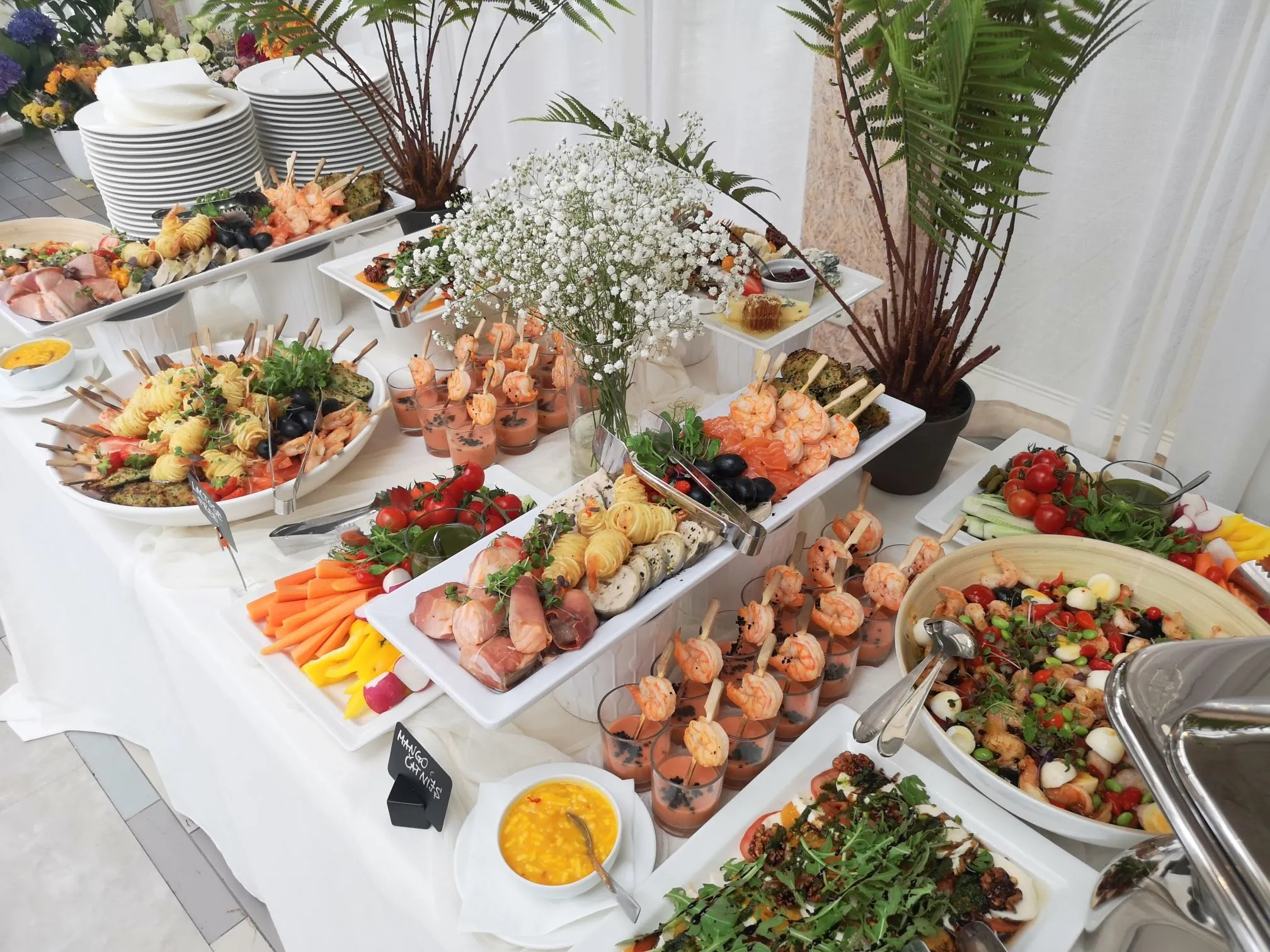
Most people assume a catering proposal is just a price list with a menu attached. It is not. Understanding how catering proposals work reveals that these documents are structured sales and communication tools. They set expectations, protect both parties legally, and move events from concept to confirmed booking. Whether you are planning a wedding, a corporate dinner, or a private celebration, knowing what a proposal contains and why each section exists gives you a real advantage in evaluating your options and communicating your needs clearly.
Table of Contents
- Key takeaways
- How catering proposals work: the core framework
- What makes a proposal clear and easy to approve
- Communicating your catering needs effectively
- Proposals versus operational documents
- My honest take on catering proposals
- Plan your event with Desertdine
- FAQ
Key takeaways
| Point | Details |
|---|---|
| Proposals do more than quote prices | A catering proposal sells services, sets expectations, and documents terms to protect all parties. |
| Each section serves a specific purpose | From menus to terms and conditions, every element in a proposal answers a decision-driving question. |
| Communication shapes accuracy | Sharing venue logistics, guest counts, and dietary needs early leads to more accurate and useful proposals. |
| Proposals differ from execution documents | The Banquet Event Order (BEO) handles internal operations after the proposal is signed. |
| Digital tools speed up approvals | E-signatures and integrated deposit submission reduce delays between proposal review and booking confirmation. |
How catering proposals work: the core framework
A catering proposal is a formal client-facing document that serves two functions at once. It sells the catering company’s services, and it documents the scope and terms of the event. Think of it as the foundation for everything that follows.
Here is what a well-structured proposal includes, and what each section actually does for you:
- Branded cover page and event overview. This opens the document and signals professionalism. It confirms the client’s name, event date, location, and a summary of the occasion. A caterer who gets these details right immediately shows they were listening.
- Menu with per-person pricing. The most scrutinized section. Menus should be broken down by course or station, with per-person pricing so you can compare quotes from different caterers on equal terms.
- Service style and staffing details. This explains how food will actually be delivered at your event. Plated dinners, buffets, food stations, and cocktail-style service all require different staffing levels. For reference, a single buffet line cannot adequately serve 100 or more guests without serious bottlenecks. Your proposal should specify staffing ratios so you know service will run smoothly.
- Rental and equipment listings. Tables, linens, serving platters, chafing dishes, and bar equipment all need to be accounted for. This section clarifies what the caterer supplies versus what you or the venue must provide.
- Itemized pricing breakdown. A single total number is not enough. Look for line items covering food, staffing, rentals, delivery, setup, and cleanup fees. Aligning proposals on these components protects you from being misled by a low headline number that excludes key costs.
- Terms and conditions. This is where the legal backbone lives. Strong proposals include deposit requirements of 25 to 50 percent, a payment schedule with the balance due 7 to 14 days before the event, final guest count deadlines, and tiered cancellation policies. Do not skip this section.
- Dietary accommodations. A quality caterer documents how they handle allergies, vegetarian, vegan, gluten-free, and other dietary needs. This builds confidence that no guest will be left without options.
- Call to action and next steps. A good proposal ends with one clear step to move forward, not three options and a list of phone numbers.
| Section | Purpose for the client |
|---|---|
| Menu with per-person pricing | Enables apples-to-apples comparison between caterers |
| Staffing and service style | Confirms service quality for your guest count |
| Terms and conditions | Protects your deposit and clarifies cancellation rights |
| Dietary accommodations | Confirms inclusivity for all guests |
| Call to action | Removes friction from the booking decision |
What makes a proposal clear and easy to approve
The proposals that get signed quickly share one quality. They answer the client’s actual questions without making them do extra homework. Too much detail does not build confidence. It creates hesitation.
Here are the practices that separate well-designed catering proposals from overcomplicated ones:
- Use per-person pricing as the anchor. Clients instinctively know their guest count. When pricing is presented per person with estimated totals beneath, comparisons become immediate and decisions come faster.
- Present service flow in plain language. Avoid internal jargon. Instead of “butler-passed hors d’oeuvres with a 1:20 server-to-guest ratio,” say “one server for every 20 guests, circulating appetizers for the first hour.”
- One call to action, not several. Every catering proposal should contain exactly one next step that moves the client from interest to commitment. Integrated e-signature and deposit submission in a single step is the current standard.
- Keep total length tight. Proposals covering more than six to eight pages rarely close faster than focused ones. Operational details belong in the execution document, not the proposal.
- Avoid buried pricing. If pricing appears on page nine after six pages of menu photography, most clients will have already formed a skeptical impression. Place your pricing overview early.
Pro Tip: Ask the caterer to send their proposal in a digital format that allows e-signature and online deposit. It removes the back-and-forth of printing, scanning, and mailing, and gives you a timestamped record of every agreed term.
You can also explore how caterers present catering options to clients to understand the thinking behind proposal design from the caterer’s side. It gives you helpful context when reviewing what you receive.


Communicating your catering needs effectively
A proposal is only as accurate as the information you give the caterer upfront. The most common reason proposals come back vague or off-target is that clients have not yet provided the details a caterer needs to build something specific.
Before you request a proposal, have answers ready for the following:
- Event date, time, and duration. Include setup and breakdown windows, not just the event hours.
- Venue name and address. The caterer needs to assess load-in logistics, kitchen access, parking availability for staff and trucks, and any venue restrictions.
- Confirmed or estimated guest count. Even a range helps. “We expect 80 to 120 guests” is far more useful than “around 100.”
- Service style preference. Plated dinner, buffet, food stations, cocktail reception. If you are unsure, describe the feel you want and ask the caterer to recommend a style.
- Dietary restrictions. List any known allergies or dietary requirements across your guest list.
- Event timeline. Note when key moments happen: arrival, cocktail hour, dinner, speeches, dessert, and farewell. This shapes food timing and service flow.
Under-communicating venue logistics is one of the most common reasons catering proposals require multiple revisions. Specifying load-in windows, kitchen hours, and staff parking before the proposal is drafted saves everyone time and reduces surprise costs later.
Pro Tip: If your venue has restrictions, such as no open flames or limited refrigeration, share that information in your first conversation with the caterer. Discovering those limits after a proposal is built creates delays and sometimes forces a complete menu revision.
Reviewing a catering event brief guide before your first caterer meeting helps you gather all the right information in one place. Walking into that conversation prepared earns you a more accurate proposal on the first pass.
Large-scale service logistics for outdoor events, such as grill stations or live-fire cooking, also require early discussion since they affect venue permissions and equipment setup time.
Proposals versus operational documents
Once you sign a catering proposal, a second document enters the picture. The Banquet Event Order, or BEO, is the internal operational blueprint the kitchen and service teams work from on the day of your event.
Understanding the difference between the two prevents confusion:
- The proposal is the client-facing document used to secure the booking. It covers scope, pricing, and terms.
- The BEO is generated after you sign. It contains granular execution details: plating instructions, staff assignments, arrival schedules, and kitchen timing.
- The BEO is finalized 7 to 10 days before the event. Many caterers ask clients to sign it as a final accuracy check.
- Separating these documents keeps the proposal clean and readable while giving the kitchen a precise reference document without confusion.
- Keeping operational details out of the proposal prevents price drift and menu changes that can occur when scope is defined too loosely.
| Document | Audience | Contents |
|---|---|---|
| Catering proposal | Client | Menu, pricing, service style, terms, and call to action |
| Banquet Event Order (BEO) | Kitchen and service staff | Plating details, staffing schedule, timeline, and logistics |
You can also learn more about high-end catering presentations to understand the service styles that might appear in your proposal.
My honest take on catering proposals
I have seen a lot of proposals at this point. Some close in 24 hours. Others drag for weeks. The difference is rarely price.
What stalls proposals most often is a mismatch between what the client expected to see and what the document actually delivered. Clients who walk in without knowing what a proposal should contain tend to fixate on the wrong things. They wonder why there is a terms section at all, or why the deposit percentage feels high, or why staffing adds so much to the total. When those questions do not have a natural home in the document, trust erodes.
I have also seen proposals fail from the other direction. Caterers who pack proposals with every detail of their operation send clients into analysis paralysis. The goal of the proposal is not to document everything. Explicit, clear financial terms protect both parties. Everything else should earn its place by helping the client make a confident decision.
The planners who get the best proposals are the ones who show up as informed partners. They know their venue logistics. They have a guest count range. They have thought about service style. That preparation signals to a caterer that this client is serious, and serious clients get proposals with real detail and competitive pricing.
My advice: read the proposal from front to back before asking questions. Most of your questions will be answered by the time you reach the call to action.
— James
Plan your event with Desertdine
Ready to see how a well-crafted catering proposal feels when it is built specifically for your event?

Desertdine brings years of expertise in high-end culinary event services to every proposal. Whether you are hosting a corporate dinner, a private celebration, or a custom event in the Greater Palm Springs area, each proposal is tailored to your venue, guest count, and vision. From locally sourced ingredients to detailed service planning, you will know exactly what you are getting before you sign. Explore our custom catering menus or visit our corporate event services page to see the full range of options. When you are ready, book your event and get a personalized proposal built around your occasion.
FAQ
What is included in a catering proposal?
A catering proposal typically includes a menu with per-person pricing, service style details, staffing information, rental listings, an itemized cost breakdown, dietary accommodations, and terms and conditions covering deposits and cancellations.
How is a catering proposal different from a contract?
A proposal outlines the scope, menu, pricing, and terms to secure your booking. Once signed with a deposit, it functions as a binding agreement, though some caterers follow up with a formal contract or BEO for execution details.
How much deposit should I expect in a catering proposal?
Most caterers require a deposit of 25 to 50 percent to reserve your event date, with the remaining balance due 7 to 14 days before the event.
What is a Banquet Event Order and how does it relate to my proposal?
A Banquet Event Order (BEO) is an internal document created after you sign your proposal. It translates the agreed scope into detailed kitchen and staffing instructions and is typically finalized 7 to 10 days before your event.
What information should I share before requesting a catering proposal?
Provide your event date, venue details, guest count range, preferred service style, dietary restrictions, and a full event timeline. The more specific your brief, the more accurate and useful the proposal you receive will be.
Recommended
- Desert Dine Catering |What Is a Catering Event Brief? A Planner’s Guide• Palm Springs & Coachella Valley
- Desert Dine Catering |How to present catering options that wow every client• Palm Springs & Coachella Valley
- Desert Dine Catering |What Is Catering for Destination Events: Expert Guide• Palm Springs & Coachella Valley
- Desert Dine Catering |Catering’s role in planning a great conference• Palm Springs & Coachella Valley